Water-Wise Landscapes: Designing for Beauty and Conservation Feb 05, 2026
Water-wise landscaping, also known as xeriscaping, centers around the principle of using plants and design elements that align with the natural environment, minimizing the need for irrigation. The first step in creating a water-wise landscape is to assess the local climate and soil conditions. Understanding these factors helps in selecting native and drought-resistant plants that thrive with minimal water. For example, in arid regions, choosing succulents, lavender, and sage can result in a vibrant garden that is low-maintenance and eco-friendly.
An essential aspect of water-wise landscapes is effective irrigation. Drip irrigation systems are highly recommended as they deliver water directly to the plant roots, significantly reducing evaporation compared to traditional sprinkler systems. Incorporating timers and moisture sensors can further optimize water use, ensuring that plants receive just the right amount of water needed for their growth, thereby conserving valuable resources.
Another critical component is soil improvement. Healthy soil retains moisture better, which means less water is required for plant upkeep. By incorporating organic matter such as compost into the soil, homeowners can enhance its water-holding capacity. This practice not only reduces watering needs but also improves plant health by providing essential nutrients. Customers may want to consult Broker Post Ground Crew for professional soil assessments and tailored amendment recommendations.
Mulching is another effective strategy in water-wise landscaping. A layer of mulch around plants can drastically reduce water loss through evaporation, keeping the soil cool and damp. It also suppresses weeds that compete for water, allowing plants to thrive. Organic mulches such as bark chips or leaves add nutrients to the soil as they decompose, further enhancing soil quality and moisture retention.
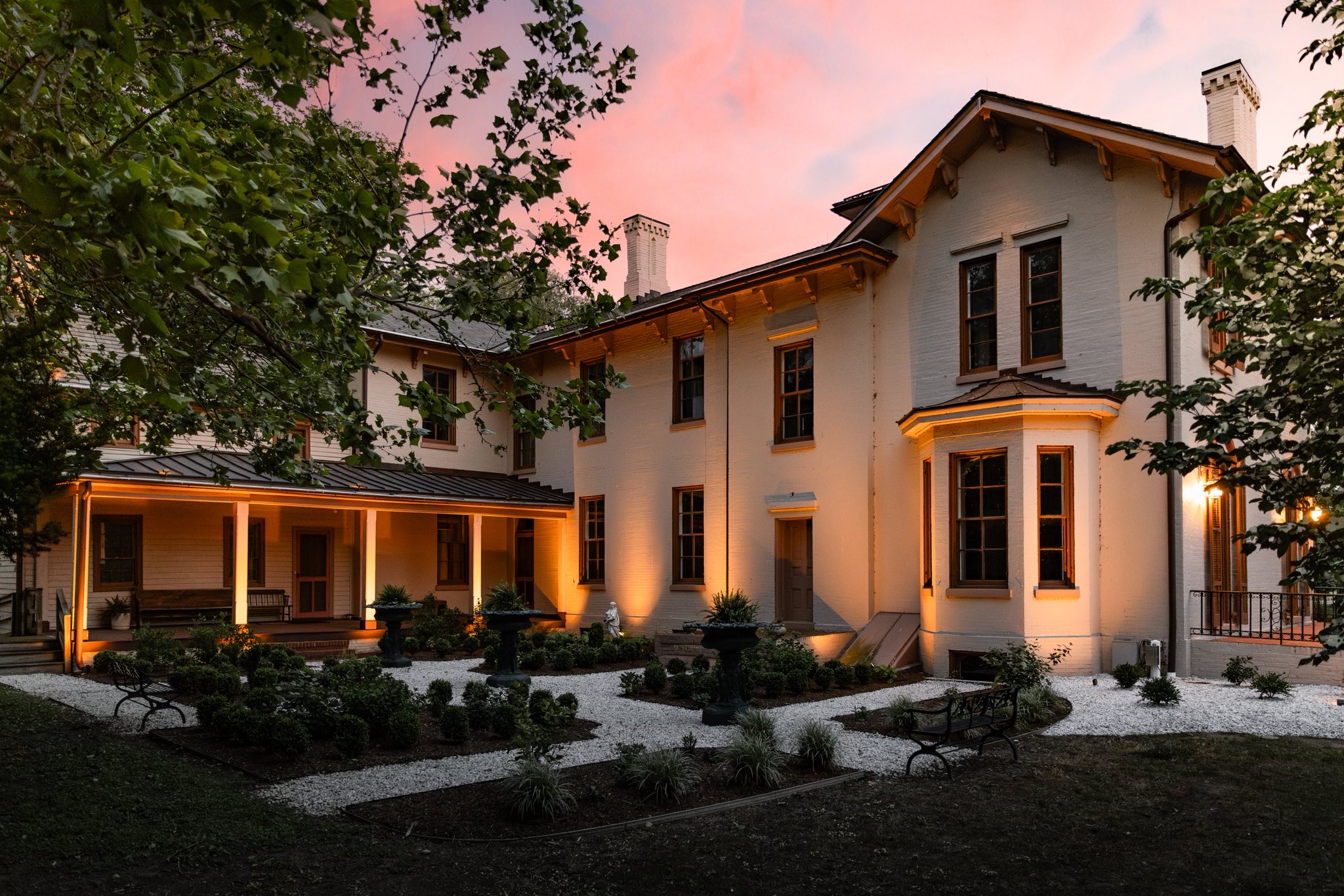
Designing for water conservation doesn't have to compromise beauty. Thoughtful hardscaping, which involves the use of non-plant elements like rocks, gravel, and permeable paving, can create visually appealing contrasts with greenery while reducing water needs. These features can be functional too, such as pathways or seating areas, integrating seamlessly into the overall landscape design while aiding in stormwater management.
Maintenance plays a vital role in sustaining a water-wise landscape. Regular care such as monitoring plants for signs of stress, adjusting irrigation settings seasonally, and keeping mulch replenished ensures that the landscape remains healthy and effective in water conservation. Broker Post Ground Crew offers expert maintenance services to keep landscapes thriving without excessive water use.
In conclusion, designing a water-wise landscape requires careful planning and execution, but the results are rewarding and sustainable. By choosing the right plants, optimizing irrigation, improving soil, and incorporating hardscaping, homeowners can enjoy an attractive garden that honors environmental stewardship. Broker Post Ground Crew is committed to helping customers create landscapes that are as kind to the earth as they are beautiful, ensuring vibrant outdoor spaces for years to come.