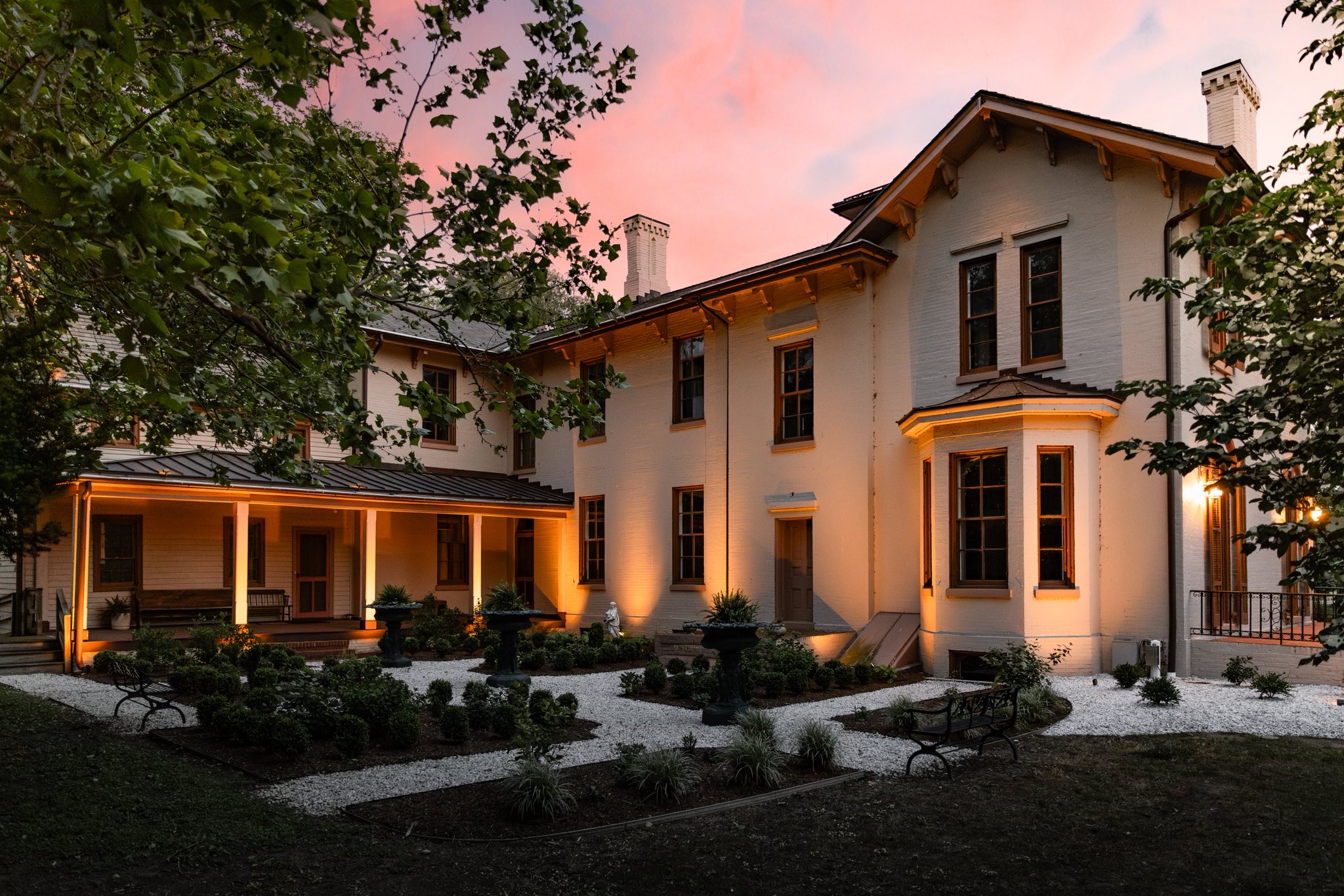
Textural Teasers: Breathing Life into Landscapes with Diverse Plant Textures Oct 05, 2026
Texture in landscaping involves using plants with different surface qualities to create contrast and focal points. Picture a landscape where lush, velvety lamb's ear plants are juxtaposed against the rigid, sword-like leaves of an ornamental grass. This contrast not only draws the eye but also invites the touch, making gardens more interactive and captivating.
Choosing the right mix of textures requires an understanding of how each plant contributes to the overall design. Textures can range from fine to coarse, with each texture playing a unique role in the garden. Fine textures, like those of ferns or ornamental grasses, tend to blend and soften transitions between spaces. They can also offer a delicate, tranquil effect. On the other hand, coarse-textured plants, such as bold hostas or the large leaves of elephant ears, command attention and create vibrant focal points.
To successfully incorporate texture into your landscape, consider the existing elements. If you're working with a minimalist design, introducing a variety of textures through plants can add the necessary complexity and interest. Conversely, for a more traditional garden, using consistent textures such as medium-sized leafy plants can maintain a classic look while still bringing depth.
The seasonal changes in texture should also be taken into account. During the winter months, when many plants lose their leaves, evergreens and perennials with interesting bark or stems can provide the much-needed texture. Think of red twig dogwood, with its striking red stems, or the peeling bark of birch trees, both of which add dimension even when the rest of the garden is dormant.
When planning your landscape, it's crucial to consider both the visual and tactile textures of plant materials. Incorporating different textures can not only enhance the beauty of your landscape but also create a more engaging environment. Broker Post Ground Crew recommends experimentation, such as mixing the soft, feathery texture of an Astilbe with the rugged, textured bark of pine trees. These combinations can inspire creativity and invite interaction with the landscape.
A well-designed landscape is a testament to the careful selection of plant textures that complement one another and the environment they inhabit. While colors can fade with the seasons, textures provide a year-round dimension that keeps your garden interesting and alive.
In conclusion, the strategic use of diverse plant textures can breathe life into any garden. At Broker Post Ground Crew, we are committed to helping our clients discover the potential of their landscapes. By thoughtfully integrating textural elements, we can help create outdoor spaces that are not only beautiful but also dynamic and engaging. Whether you're embarking on a new landscaping project or looking to revamp an existing space, consider the transformative power of texture to elevate and enrich your landscape's design.