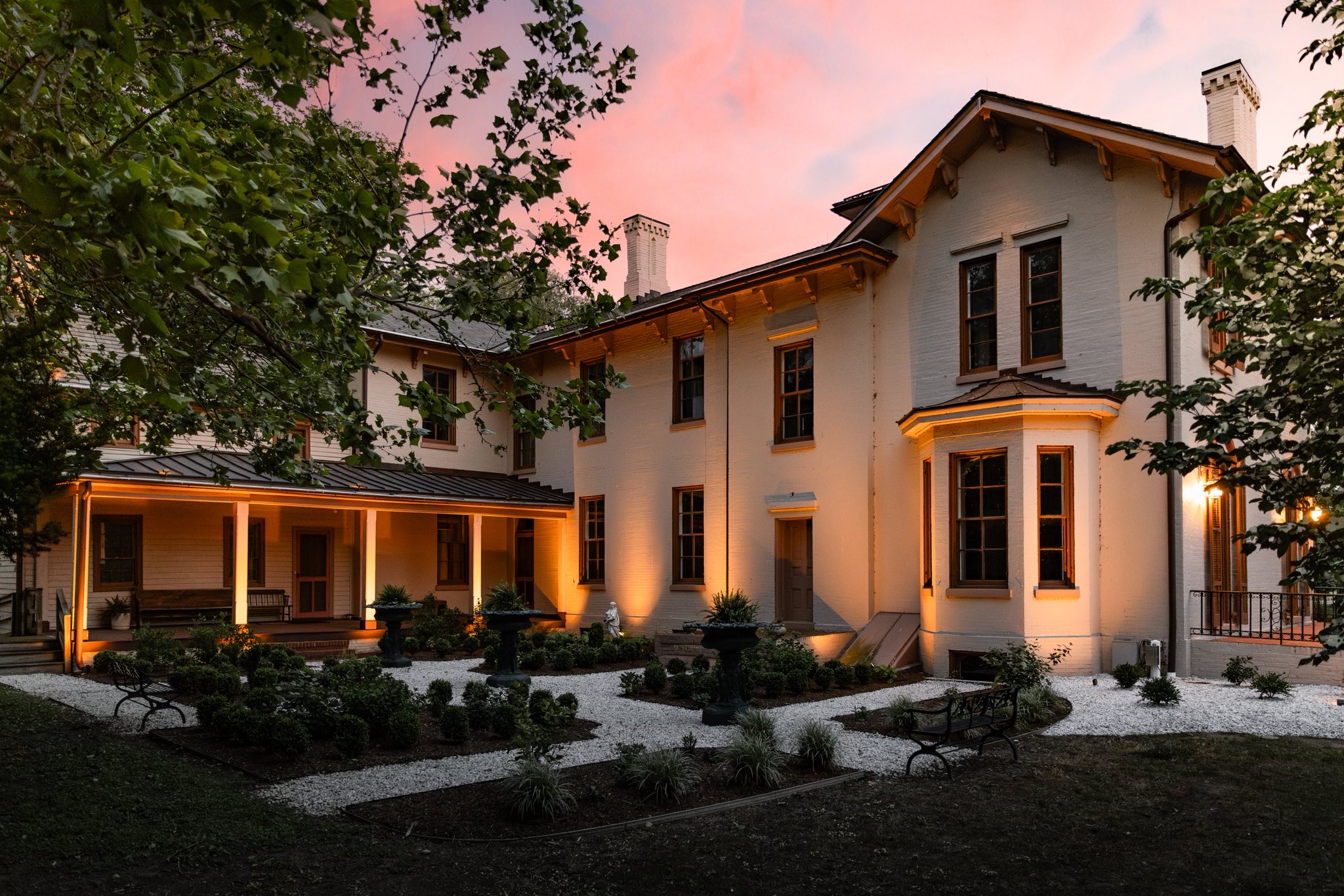
Integrating Biophilic Design: Creating Harmony Between Architecture and Nature Feb 27, 2026
Biophilic design is more than just adding a few plants to an office or home. It involves incorporating natural elements such as sunlight, water features, natural materials, and even organic algorithms resembling nature's patterns directly into architectural frameworks. This integration helps people in urban settings reconnect with the natural world, harnessing the psychological and physical benefits nature provides.
To begin with, let's explore how biophilic design can transform residential and commercial landscapes. Incorporating natural light is paramount. Maximizing sunlight through appropriately placed windows and skylights not only reduces the need for artificial lighting but also improves mood and productivity. Encouraging views of gardens or natural scenery can further enrich the environment, providing a serene backdrop and a visual break from urban monotony.
Incorporating water elements is another popular aspect of biophilic design. Ponds, fountains, and rain gardens are excellent additions to any landscape, not only enhancing aesthetic appeal but also promoting a calming atmosphere. The soothing sound of flowing water can significantly reduce stress levels, providing an auditory escape akin to being in nature. As part of a sustainable landscape strategy, these features can also aid in water conservation and stormwater management, aligning with environmental goals.
Natural materials like wood, stone, and bamboo play a vital role in biophilic architecture. These materials not only bring those who inhabit these spaces closer to nature but also often come with sustainable advantages like low carbon footprints and durability. By choosing locally-sourced materials, Broker Post Ground Crew can ensure that its projects are not only beautiful but also environmentally responsible, appealing to eco-conscious clients.
Plants and greenery remain at the heart of any biophilic design concept. Living green walls, rooftop gardens, and indoor foliage create a seamless transition between interior and exterior environments. These plant installations do more than beautify; they improve air quality by filtering pollutants and moderating temperatures within built environments. Broker Post Ground Crew can guide clients in selecting native and drought-tolerant plants that require minimal maintenance and align with sustainable landscaping goals, ensuring longevity and environmental balance.
The implementation of patterns and fractals found in nature, such as honeycomb patterns or the spiral of a shell, into design elements also satisfies the biophilic need for connection with nature's inherent complexity and order. These patterns can be incorporated into tiling, fabrics, or ceilings, subtly enhancing the natural ambiance of any space.
In conclusion, biophilic design is not just a passing trend but a necessary evolution in modern architecture and landscaping. By integrating elements that bring nature into everyday spaces, Broker Post Ground Crew can create environments that not only captivate visually but also enhance well-being and sustainability. As the understanding of these benefits grows, so too will the demand for such innovative design solutions. With thoughtful application, biophilic design has the power to transform urban landscapes into thriving, inviting, and health-promoting environments.