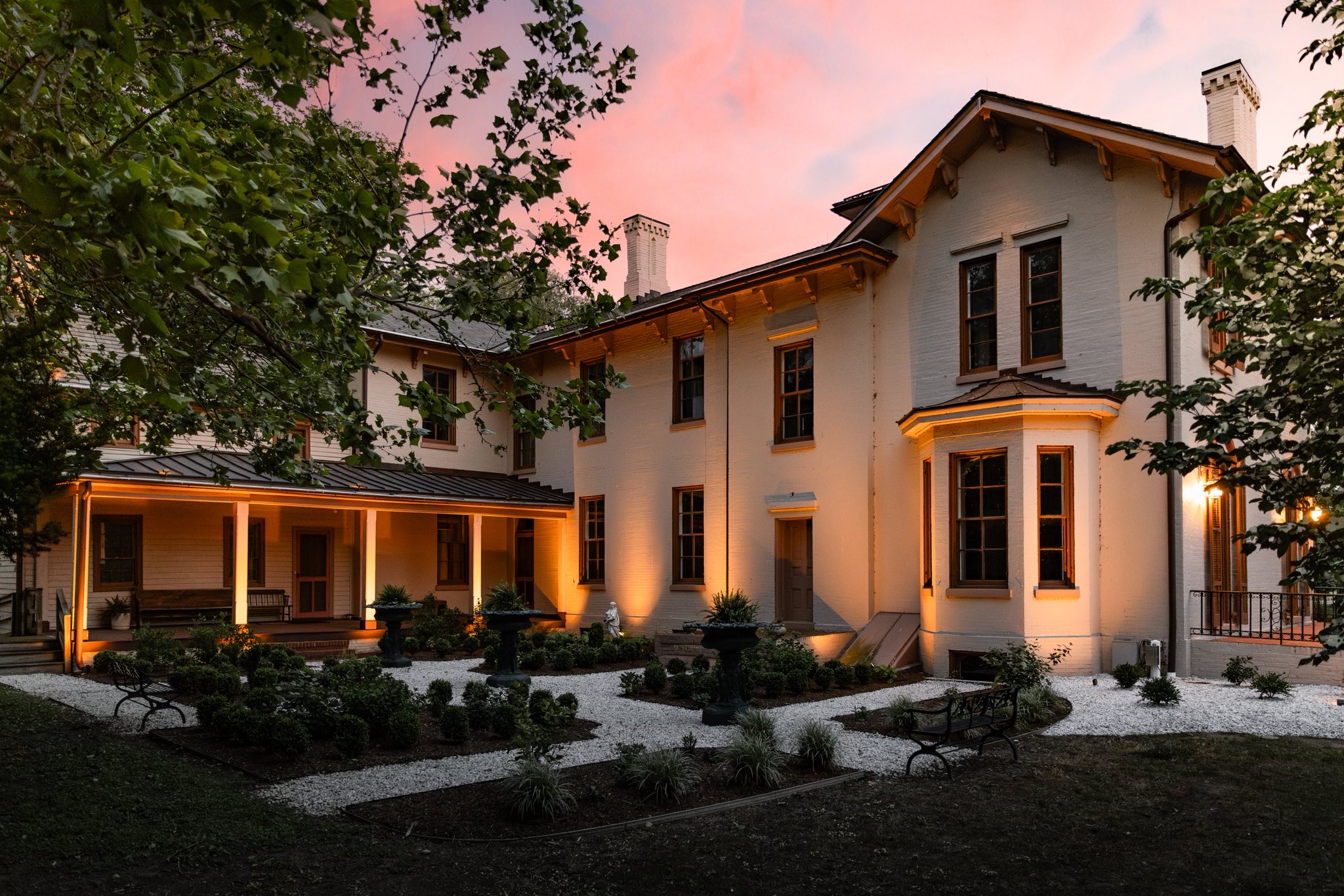
Harmony in Hues: Designing Landscapes with a Spectrum of Colors Jul 03, 2026
When planning a color scheme for your landscape, it's crucial to first consider the existing environment and architecture. By aligning the colors in your garden with the style and hues of your home, you create a cohesive look that extends your living space outdoors. Think about the colors currently dominating your landscape, like the shade of your home, patio, or natural surroundings, and work from there.
The next step is selecting a color palette that reflects your personal style while also complementing the natural setting. Bright, warm colors such as reds, oranges, and yellows can energize and create a sense of warmth. These are ideal for spaces where activity and interaction are encouraged. Cooler tones like blues, purples, and greens are more soothing and promote relaxation, making them perfect for creating a tranquil retreat within your landscape.
Incorporating a variety of plant textures and forms further enhances the color palette. The combination of colorful blooms with various foliage types such as grasses, shrubs, and trees adds depth and interest. For instance, mix evergreen plants which offer year-round color with seasonal bloomers to ensure your garden remains vibrant throughout the changing seasons.
Creating focal points in your landscape is another effective strategy that draws attention and establishes a visual hierarchy. Use bold or contrasting colors to highlight areas such as entranceways, patios, or central garden features. This not only adds aesthetic appeal but also guides guests and creates a storytelling dynamic within the garden design.
Moreover, don't forget about seasonal interest. Landscapes that evolve and change colors over the seasons tend to be more engaging. Choose plants that bloom at different times throughout the year, ensuring your garden is a visual feast year-round. For example, spring-blooming bulbs offer a splash of color after a long winter, while autumn leaves provide warm hues that celebrate the transition to cooler months.
The play of light also greatly influences how colors appear in your landscape. Consider the sunlight patterns that cross your garden throughout the day. Some colors may look different in morning light compared to the warm glow of the afternoon. By noting these changes, you can plan for plant placements that maximize their visual impact at different times.
To conclude, designing landscapes with a spectrum of colors involves thoughtful planning and keen attention to detail. At Broker Post Ground Crew, we believe that a well-crafted landscape should not only be visually pleasing but also reflect the unique personality of its owner. By thoughtfully combining colors, textures, and light, you can create a harmonious sanctuary that delights and rejuvenates everyone who enjoys it. Embrace the vibrancy of nature's palette, and let our expertise guide you in crafting your own colorful landscape masterpiece.