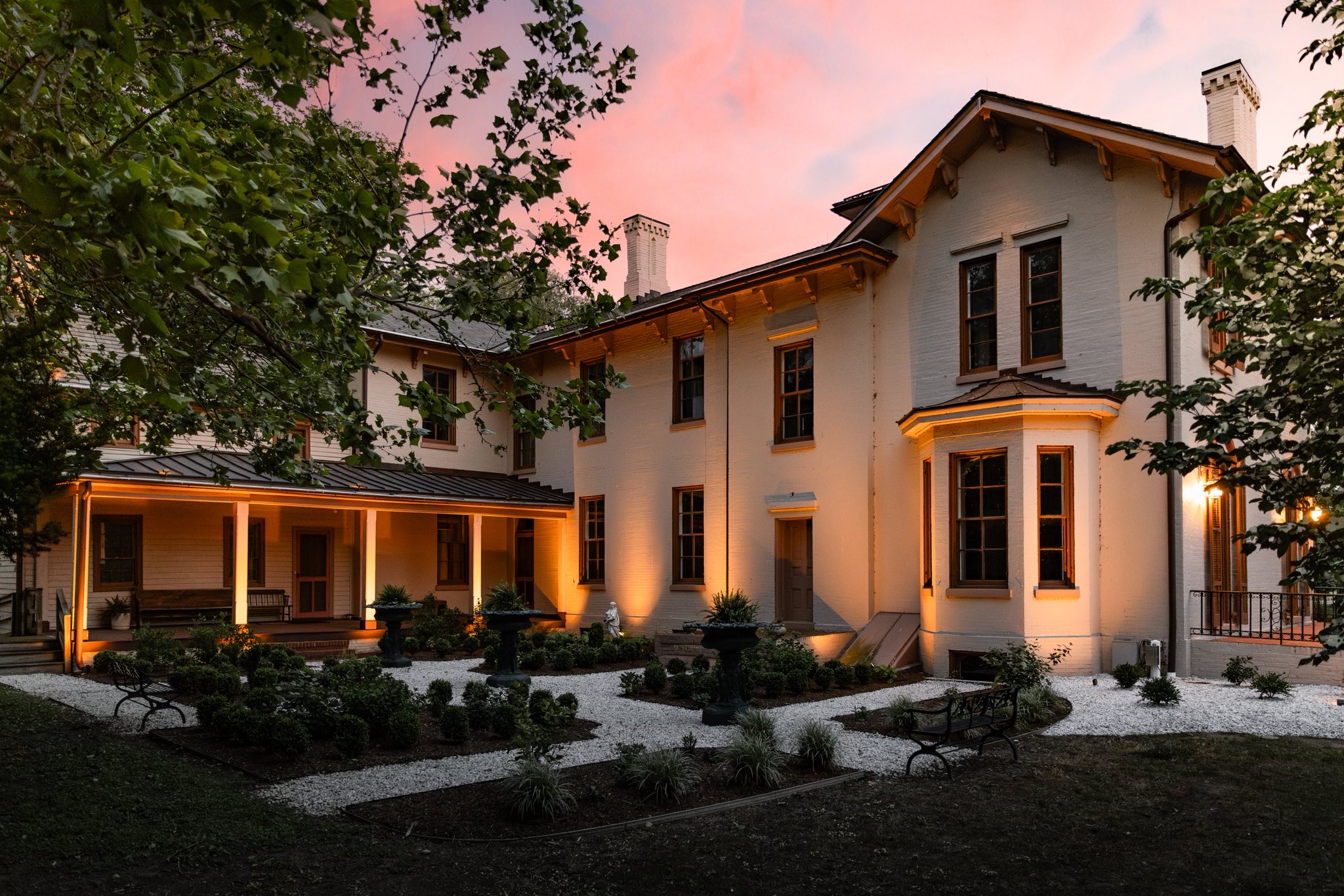
Eco-Friendly Oasis: Sustainable Landscaping for the Modern Home Jan 27, 2026
The journey to an eco-friendly oasis begins with understanding the principles of sustainable landscaping. It's about harmonizing your outdoor space with the local environment, ensuring that every element serves a dual purpose: beauty and sustainability. Start by selecting native plants. Native species are adapted to your region's climate, reducing the need for excessive watering and fertilizers. They also provide habitat and food for local wildlife, enhancing biodiversity in your backyard.
Composting plays a vital role in sustainable landscaping as well. By composting kitchen scraps and garden waste, you create rich soil amendments that naturally enhance soil fertility. This not only reduces waste going to landfills but also cuts down on the need for chemical fertilizers, which can lead to runoff into nearby water sources. Consistent use of compost helps maintain healthy soil, fostering robust plant growth and creating a vibrant ecosystem in your outdoor space.
Incorporating water conservation techniques is another crucial aspect of sustainable landscaping. Use drought-resistant plants and implement systems such as drip irrigation or rain gardens to manage water efficiently. Collecting rainwater in barrels is a simple yet effective way to water your plants without tapping into municipal resources. This practice not only cuts costs but also benefits the environment by conserving a precious resource.
Hardscaping, when done sustainably, transforms outdoor spaces while reducing environmental impact. Choose permeable materials for walkways and driveways to allow rainwater to filter through the soil, reducing runoff and erosion. Opt for recycled or reclaimed materials for patios, decks, or garden walls, which not only minimizes resource consumption but often adds a unique, rustic charm to your landscape design. Additionally, strategic placement of features like stone paths and natural plant barriers can reduce maintenance needs and help control erosion.
By creating zones in your landscape, you can further enhance sustainability. Consider dividing your yard into specific areas for differing uses, such as a quiet spot for meditation, an area for vegetable gardening, and a separate space for social gatherings. This approach allows for effective resource allocation, ensuring each zone is manageable and sustainably maintained.
Lastly, think about integrating technology responsibly in your sustainable landscape. Use solar lighting to illuminate paths and gardens at night. These lights are powered by renewable energy, providing an eco-friendly way to add ambiance and security to your backyard. Smart irrigation systems can also significantly reduce water usage by tailoring the watering schedule to the actual needs of the plants, based on weather conditions and soil moisture levels.
In conclusion, sustainable landscaping for the modern home is more than crafting a beautiful outdoor space. It's about creating an eco-friendly oasis that respects natural resources, supports local wildlife, and serves as a model for environmental responsibility. At Broker Post Ground Crew, we are committed to helping homeowners navigate this rewarding journey. By making smart choices in plant selection, water conservation, hardscaping, and technology integration, you can enjoy a stunning, sustainable landscape that elevates your home while caring for the planet.